November 9, 2026
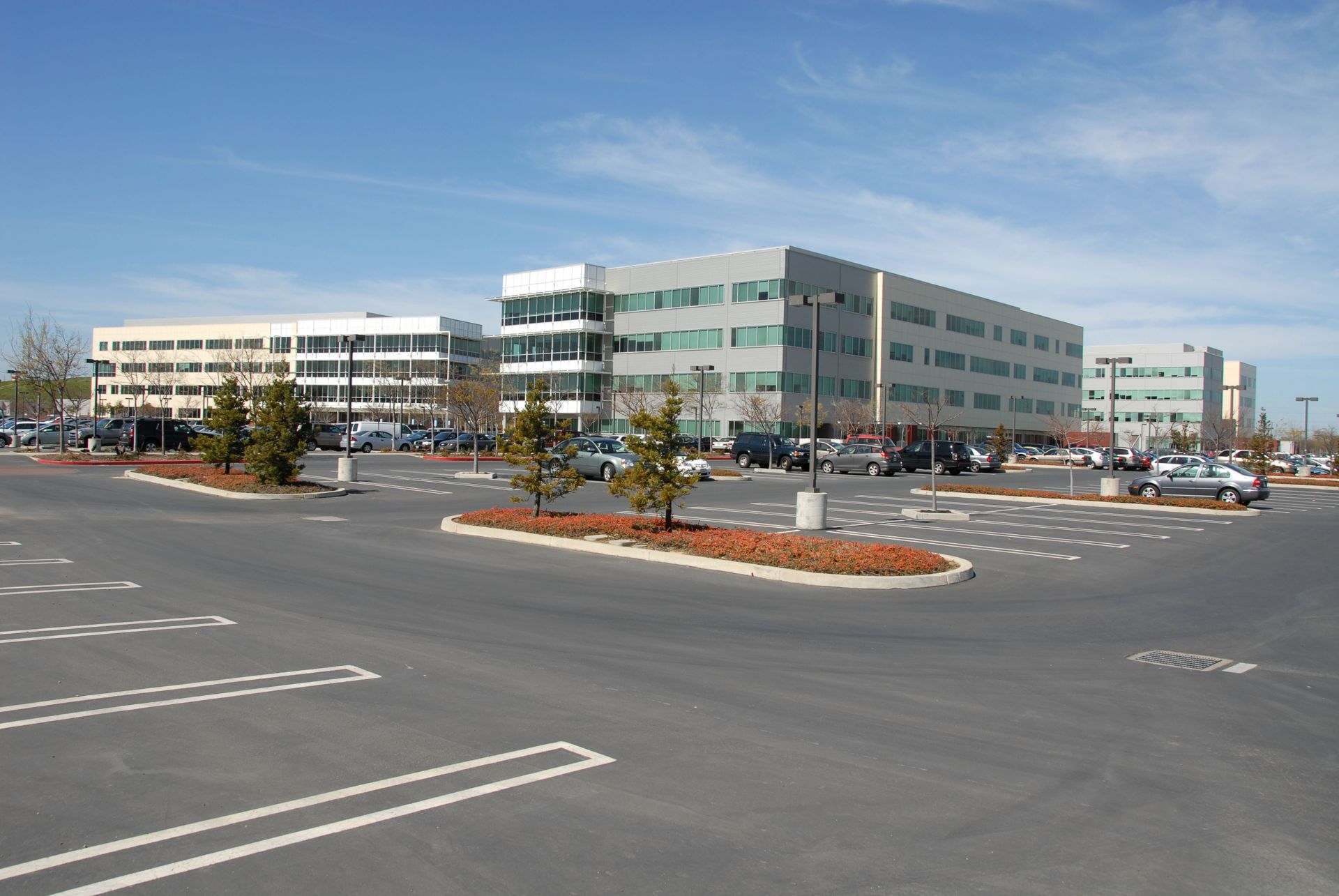
A commercial parking area does more than provide a place for customers and employees to leave their vehicles. It shapes the first impression visitors form when they arrive, influences how easily they can access a property, and affects the overall experience of doing business there. Cracked pavement, confusing traffic flow, and standing water can make a property seem neglected before a customer even reaches the entrance. A well-planned surface, by contrast, supports a professional appearance and helps daily operations run smoothly.
Investing in parking lot paving can therefore contribute to business growth in practical ways. A durable, organized parking area can improve customer access, support safety, accommodate changing demand, and protect the property's long-term value. When businesses treat pavement as part of their overall customer experience and operating infrastructure, they can make improvements that benefit both visitors and the organization.
Strengthen Curb Appeal and the Customer Experience
Create a Positive First Impression
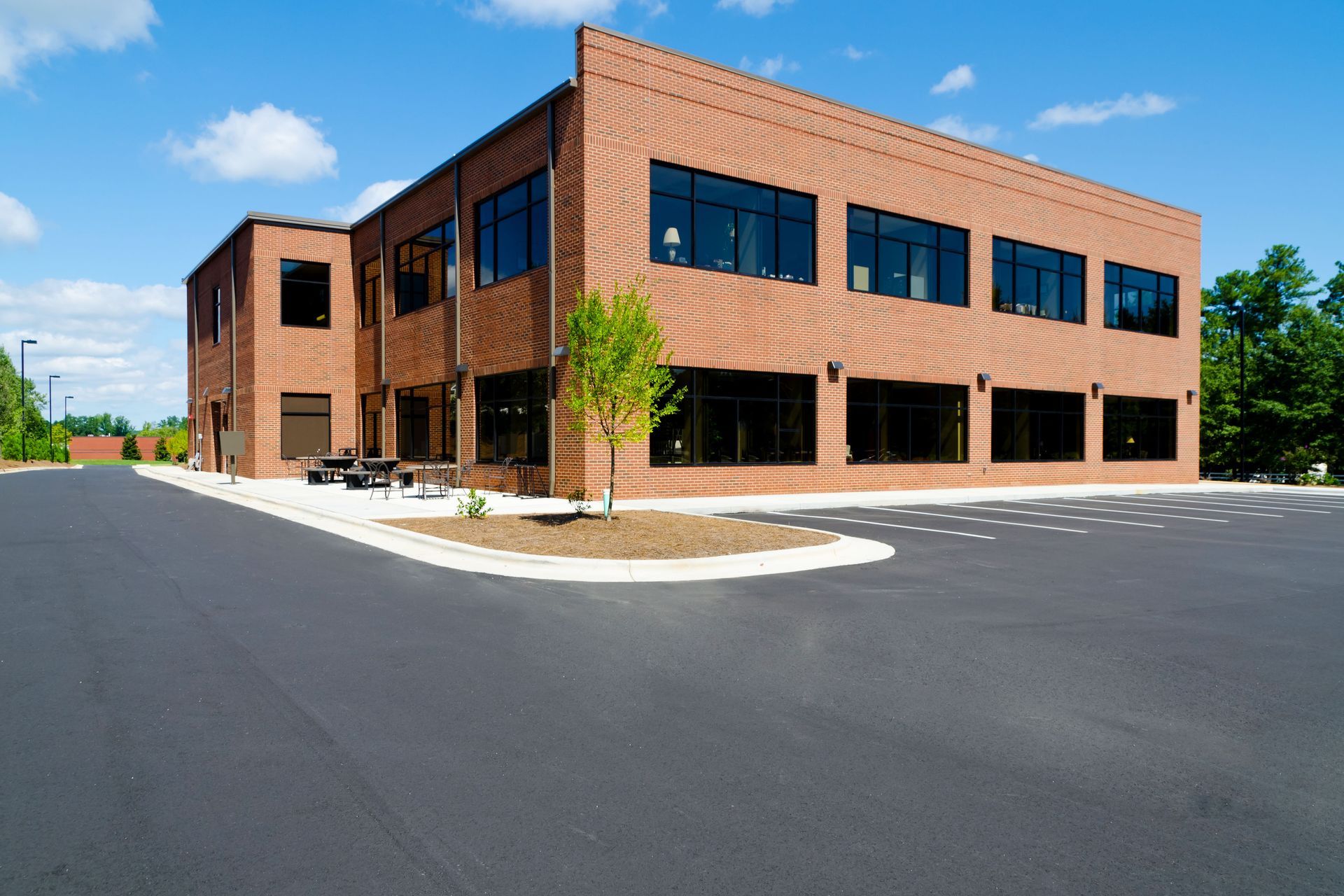
The parking lot is often the first part of a commercial property that customers see. Its condition can influence how visitors perceive the business, including its attention to maintenance and the quality of its services. A smooth, clearly organized surface communicates that the property is cared for, while widespread cracking, potholes, and faded markings can create an impression of neglect. Although pavement alone does not determine a customer's opinion, it contributes to the overall environment that shapes opinion.
Professional parking lot paving can give the property a more consistent appearance and make the entrance feel more welcoming. Clean pavement edges, visible parking stalls, and clearly defined travel lanes help create an orderly setting. For businesses that depend on in-person visits, these details can support a more positive arrival experience. Professional paving also gives property owners an opportunity to address worn areas and improve the layout during one project, rather than allowing isolated problems to undermine the appearance of the entire site.
Make Access Easier for Customers
Effective parking lot paving should help visitors reach the business clearly. Clearly marked spaces, recognizable directional markings, and a layout that accounts for vehicle movement can make it easier to enter, park, and leave. Accessible parking spaces and compliant markings are also essential considerations. When these features are planned as part of the site, customers with different mobility needs can navigate the property more effectively.
Convenient access can influence whether customers choose to visit and how they feel during the trip. A poorly arranged lot may create bottlenecks near entrances, make spaces difficult to maneuver into, or leave pedestrians unsure where to walk. A thoughtful parking lot paving plan considers traffic patterns, pedestrian routes, parking capacity, and the location of building entrances. These improvements do not replace good service, but they remove avoidable obstacles from the customer experience and help the property function as a cohesive part of the business.
Support Safer, More Efficient Daily Operations
Reduce Pavement Hazards and Water Problems
Damaged pavement can create hazards for drivers and pedestrians. Potholes, uneven areas, and deteriorating edges may contribute to vehicle damage, trips, or falls, while faded striping can make spaces and traffic routes harder to identify. Standing water presents another concern because it can interfere with movement and contribute to pavement deterioration. Addressing these conditions helps businesses maintain a more predictable environment for customers, employees, delivery drivers, and other visitors.
A successful paving project begins with an assessment of the existing surface and the conditions beneath it. Depending on the property's needs, parking lot paving may involve site preparation, grading, drainage improvements, asphalt patching, resurfacing, or full-depth reconstruction. Resurfacing may be suitable when the pavement base remains sound, while deeper structural problems may require more extensive work. Planning for drainage is particularly important because water that collects on or around pavement can accelerate damage and lead to recurring maintenance needs.
Minimize Disruptions and Improve Traffic Flow
A parking lot is part of a business's operating infrastructure. Employees need dependable access, customers need convenient spaces, and suppliers or service providers may require room to maneuver. When the layout does not match the property's traffic demands, congestion can develop around entrances, loading areas, and frequently used spaces. Reviewing circulation patterns and available capacity can help identify changes that make the site easier to use.
Construction itself also needs to be coordinated with business operations. Depending on the size and scope of a project, work may be phased so portions of the property remain accessible while other areas are being prepared or paved. Clear communication about temporary entrances, closed sections, and alternate parking helps visitors understand where to go. A contractor should consider the property's operating schedule and access requirements when developing the project plan. With preparation and an appropriate work sequence, businesses can improve their pavement while managing interruptions to normal activity.
Protect Property Value and Plan for Future Growth
Make a Long-Term Infrastructure Investment
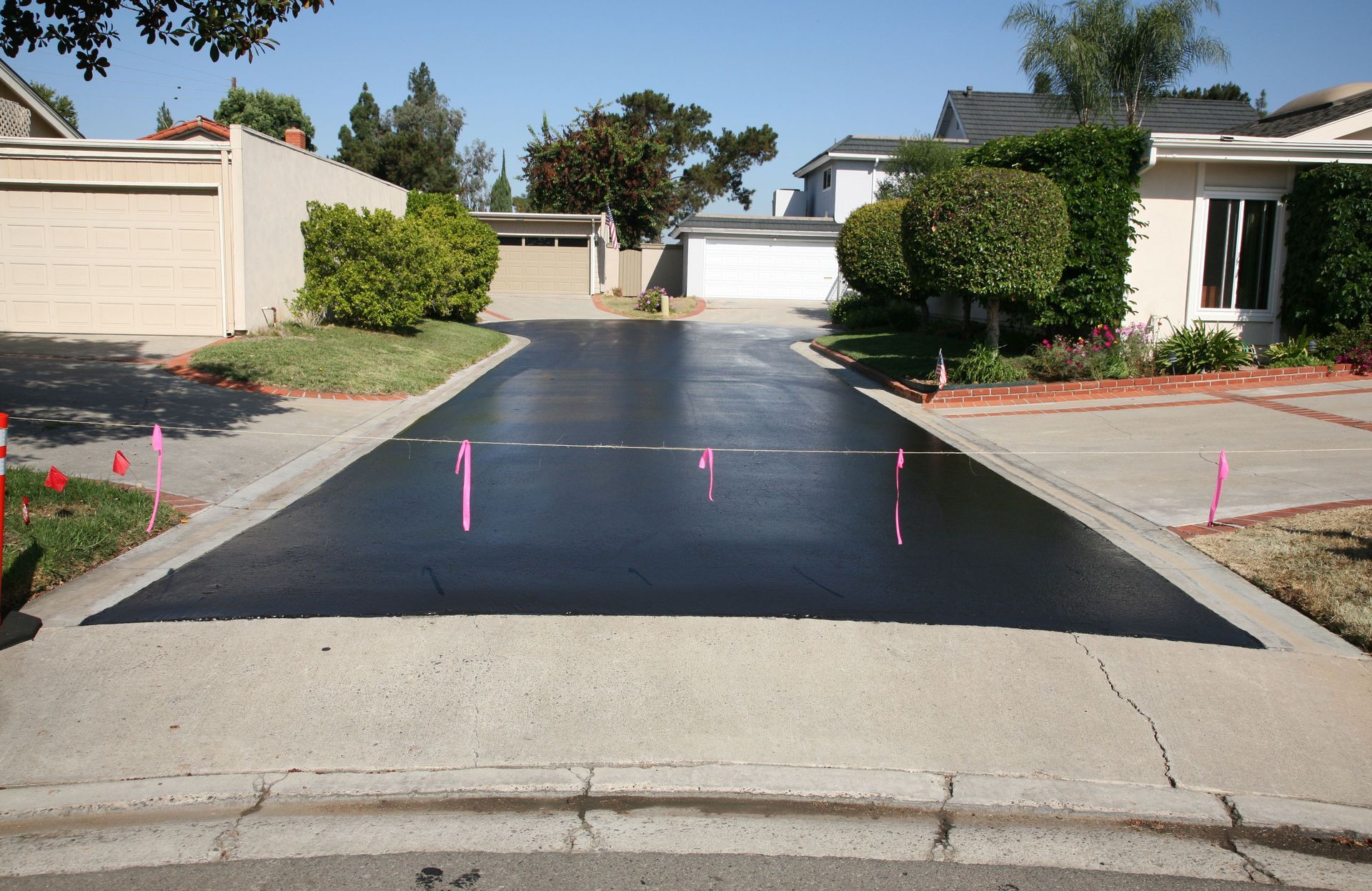
Pavement requires upkeep, but a proactive approach can help control deterioration and reduce the likelihood that small defects become extensive repairs. Routine sweeping removes debris, prompt crack filling limits water infiltration, and periodic sealcoating helps protect asphalt from oxidation and weather exposure. Striping should also be refreshed when markings become difficult to see. Following appropriate curing periods before applying maintenance treatments is important for newly installed asphalt.
Material selection and responsible maintenance can also factor into a property's long-term planning. According to the Asphalt Industry Alliance, asphalt is considered a 100% recyclable material, meaning that it can be recovered and reused rather than discarded after removal. This characteristic can support more resource-conscious pavement projects. Businesses should evaluate site conditions and project requirements before repairing or replacing a lot.
Accommodate Expansion and Changing Business Needs
Business growth can change how a property is used. An increase in customers, employees, deliveries, or operating hours may create demand for additional parking or a more functional traffic layout. A lot that once provided sufficient capacity may become crowded as the organization expands. Reviewing parking needs before problems become routine can help property owners determine whether reconfiguration, resurfacing, or an expansion is appropriate.
Parking lot paving can provide an opportunity to plan for those changing demands. Site preparation and grading can support an expanded parking area, while drainage integration helps account for how water will move across the improved property. New striping can define accessible spaces, travel lanes, and parking stalls in a way that makes efficient use of the available area. Parking lot paving should be considered alongside the property's broader plans, including building improvements and anticipated traffic levels. This coordinated approach can help ensure that the parking area continues to serve the business as it develops.
A commercial parking lot is a functional asset and a visible part of the customer experience. Its condition affects appearance, accessibility, safety, traffic flow, and the ability to accommodate future demand. By investing in parking lot paving, addressing pavement problems, and planning for drainage, maintaining clear markings, and selecting improvements that suit the site's needs, businesses can create a parking area that supports daily operations and long-term objectives. A planned investment in the property can make visits more convenient, help protect the pavement, and provide infrastructure that is ready to support continued business growth.
Contact Spencer Contracting Company to discuss your commercial parking lot paving needs and request a free project estimate!